
More than a place to move to
Mérida is more than a place to move to. It is a city shaped by Maya heritage, centuries of history, distinctive architecture, strong traditions and a way of life that feels unmistakably Yucatecan. Located in the heart of the Yucatán Peninsula, Mérida offers something increasingly difficult to find: a modern city that has grown without losing its identity. Colorful neighborhoods, traditional markets, historic homes, local food, tropical vegetation and centuries-old customs coexist with shopping centers, restaurants, universities, international connections and the everyday conveniences of a growing city. Moving here means discovering not only a new address, but a different rhythm, culture and relationship with the place you call home.
A city with more than 480 years of history
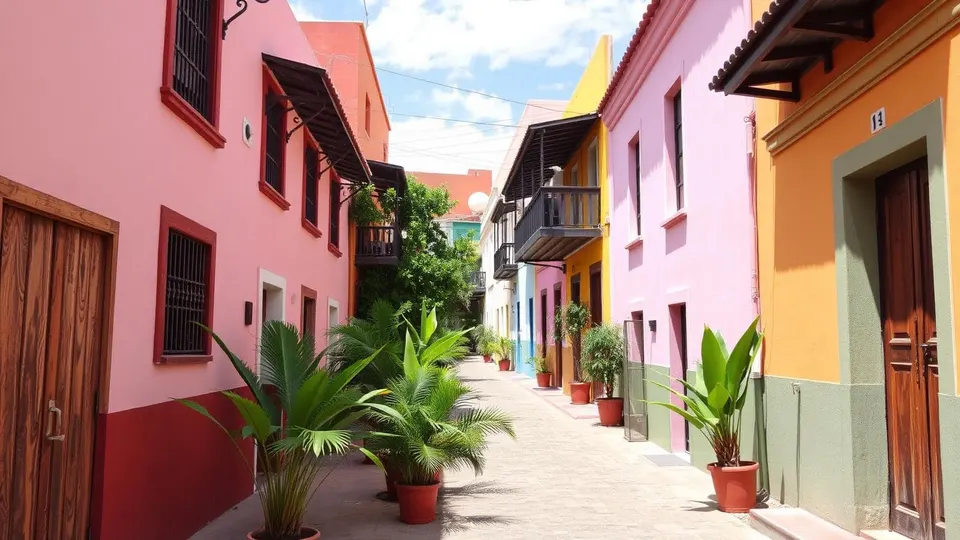
Modern Mérida was founded in 1542 on the site of the ancient Maya settlement of T'Hó, making its history far older than the colonial city visible today. The historic center brings together colonial buildings, churches, plazas, traditional neighborhoods and homes built around interior courtyards. At the heart of the city is Plaza Grande, surrounded by some of Mérida's most recognizable landmarks, including the Cathedral of San Ildefonso and Casa de Montejo. Walk a few streets beyond the main square and you discover another side of the city: brightly painted façades, small neighborhood parks, traditional cantinas, markets and streets that have been part of Mérida life for generations. History here is not confined to museums. It is part of the city you live in.
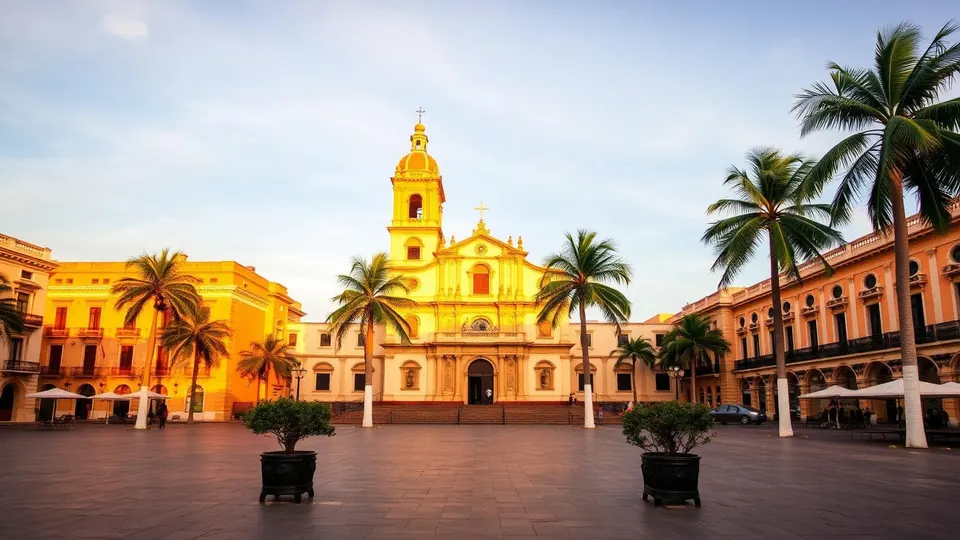
Maya heritage is part of everyday life
Maya culture is not simply something visitors experience at archaeological sites — it remains part of everyday Yucatán. You will see it in place names, hear the Maya language, encounter it in local traditions and recognize its influence in food, craftsmanship, architecture and celebrations. Ingredients, cooking techniques and recipes passed down through generations remain part of everyday life. Traditional clothing is still worn during cultural events, Maya words form part of local Spanish, and communities throughout Yucatán continue to preserve traditions that predate the modern city by centuries.
Architecture that tells the story of Mérida
In Centro Histórico, colonial homes often hide large interior spaces behind relatively simple façades. High ceilings, pasta tile floors, wooden doors, interior courtyards and thick masonry walls are characteristic features of many traditional properties. Elsewhere, former haciendas and their surrounding lands have gradually become part of the modern city. During the nineteenth and early twentieth centuries, wealth generated by the henequén industry transformed Mérida and produced some of its most impressive residences.
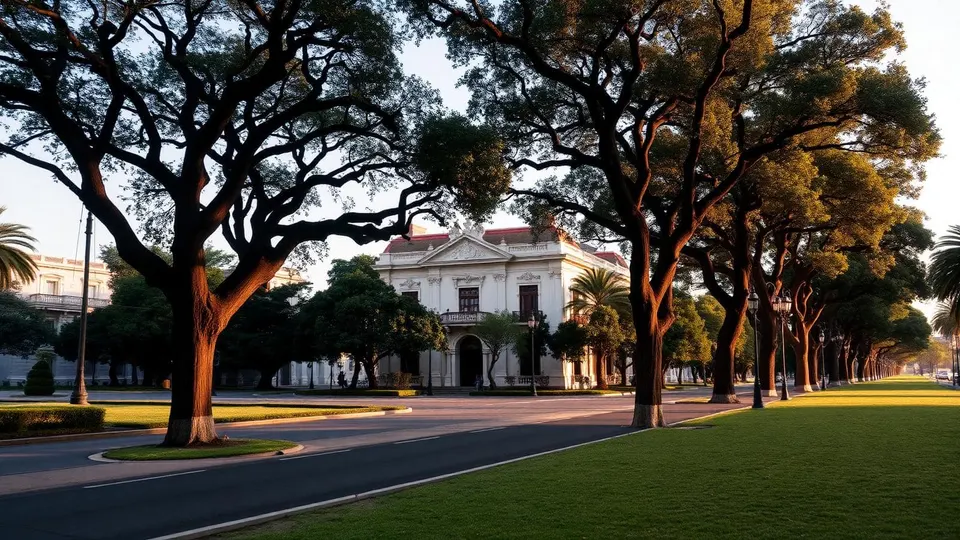
Paseo de Montejo
Inspired by the grand boulevards of Europe, Paseo de Montejo was developed during the prosperity of the henequén era and became home to some of the city's most prominent families. Historic mansions, monuments and museums remain along the avenue today, including the Palacio Cantón and the famous Casas Gemelas. But it is not simply an architectural attraction: today it is also part of everyday Mérida — a place for walking, restaurants, cafés, cultural events and the city's weekly activities. It is one of the clearest examples of how historic Mérida and contemporary Mérida coexist.
Traditions that are still lived
Many traditions remain active parts of life rather than performances created for visitors. Hanal Pixán, the Maya tradition honoring family members who have passed away, means food for the souls and takes place around the end of October and beginning of November, with altars, traditional foods and symbolic offerings. Traditional vaquerías combine regional music, dance and clothing, and the jarana yucateca can still be seen during festivals. Mérida also has a long tradition of romantic music known as trova yucateca, particularly around places such as Parque de Santa Lucía.
- Hanal Pixán — the Yucatecan tradition honoring those who have passed away
- Vaquerías and jarana yucateca in traditional dress
- Trova yucateca in Santa Lucía and throughout the city
Food is part of the identity
Maya traditions combined over centuries with ingredients and influences introduced through migration and trade, creating a cuisine noticeably different from food found elsewhere in Mexico. You will quickly encounter cochinita pibil, lechón al horno, sopa de lima, relleno negro, queso relleno, papadzules, panuchos, salbutes and poc chuc — and the marquesita, a crispy rolled street dessert that is almost impossible to separate from an evening walk through Mérida.
- achiote, sour orange and regional recados
- habanero and xcatic chile
- corn, black beans and red onion

A landscape unlike most of Mexico
Mérida and much of northern Yucatán are remarkably flat. The land is predominantly limestone, which allows rainwater to filter underground rather than creating large surface rivers. Over thousands of years that process formed an enormous underground system of caves, water channels and natural sinkholes known as cenotes — one of the defining natural features of Yucatán.
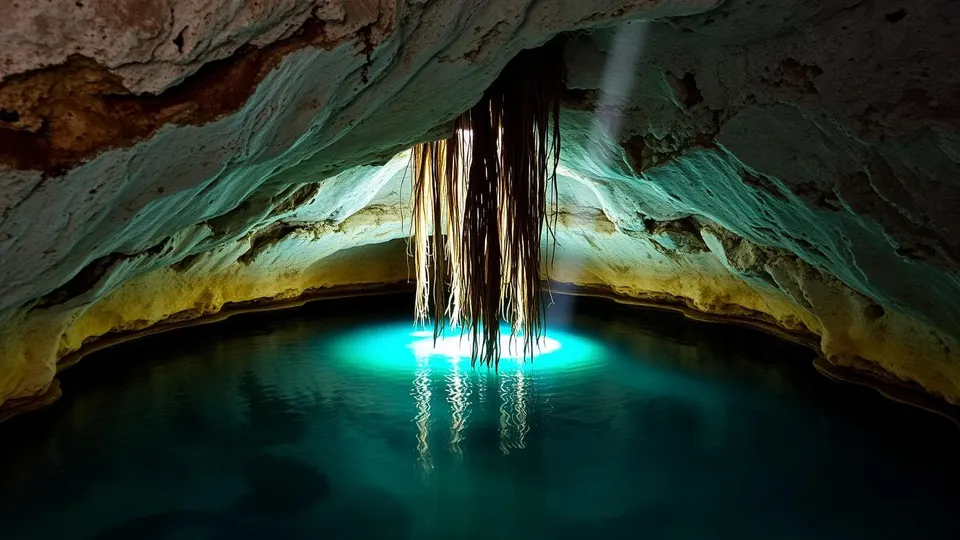
Cenotes: a world beneath the surface
Thousands of cenotes are scattered throughout the peninsula. Some are completely open, others partially covered by rock and vegetation, and many exist inside caves. They have enormous environmental, historical and cultural importance and were particularly significant to Maya communities as sources of fresh water and sacred places. For someone living in Mérida, many are close enough to visit as part of an ordinary weekend.
Nature is closer than you might expect
Tropical vegetation, native trees, flowering plants and wildlife are part of the everyday environment. The municipality is also home to the Cuxtal Ecological Reserve, an important protected area containing tropical vegetation, cenotes, caves, archaeological remains and a wide variety of native species. You do not need to visit a nature reserve to notice Yucatán's wildlife — some of it may visit your garden or terrace.
- hummingbirds, colorful local birds and butterflies
- iguanas, geckos and toloks
- opossums, bats and tropical insects
The Gulf coast is close
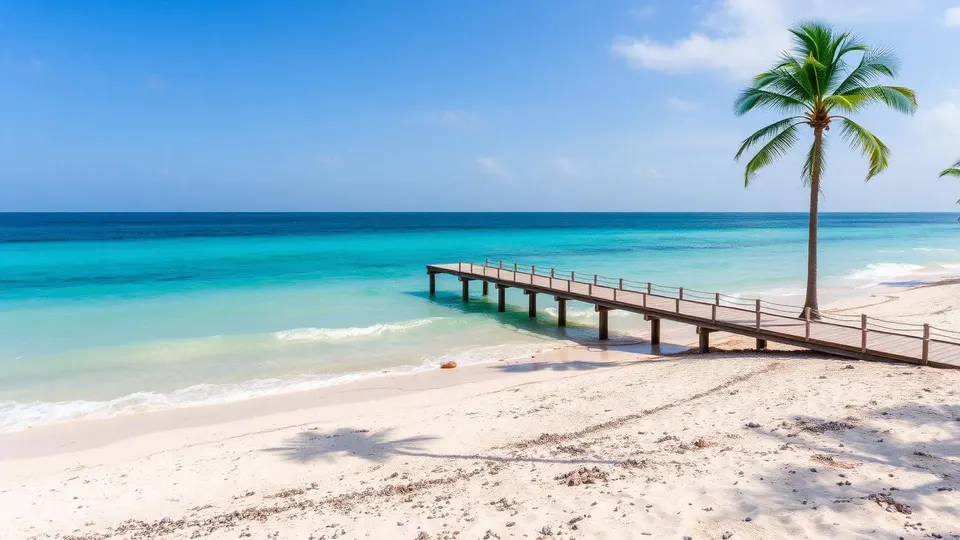
Mérida is not a beach city — that distinction is important. But Progreso, the closest major beach town, is roughly a 30–40 minute drive from much of northern Mérida. Beyond Progreso are smaller coastal communities including Chicxulub Puerto, Chelem, Chuburná and Telchac Puerto. For many residents, going to the coast is simply a Sunday lunch or an afternoon at the beach. Farther west, Celestún offers mangroves, wildlife and one of Yucatán's best-known natural environments.
One city, an entire peninsula to explore
Mérida works remarkably well as a base for exploring the rest of Yucatán: Uxmal, a masterpiece of Puuc architecture; Chichén Itzá, an easy day trip; and Dzibilchaltún, just outside the city. Dozens of surrounding communities provide access to cenotes, former henequén haciendas restored as hotels, restaurants and private residences, and smaller pueblos with markets, traditional architecture and a slower view of life beyond the city.
- Uxmal
- Chichén Itzá
- Dzibilchaltún
- Cenotes
- Haciendas
- Pueblos
A different rhythm of life
Life here can feel less hurried than in many large cities. Family gatherings are important, Sunday remains a significant family day, public plazas continue to function as community spaces, meals can be long, evenings start later and social life frequently revolves around food. That does not mean Mérida is disconnected from modern life — it simply means the rhythm can be different. For some newcomers that is one of the city's biggest attractions; for others it takes time to adapt.
Mérida is flat — and spread out
There are virtually no hills, and most buildings remain relatively low-rise, so Mérida spreads horizontally across a large area. A supermarket, school, restaurant or shopping center may appear close on a map while still being inconvenient to reach on foot, particularly during the hottest part of the day. Some neighborhoods are more walkable than others, especially parts of Centro Histórico, but for many families having a car makes everyday life considerably easier. Your ideal area depends not only on the house you like, but on where you expect to shop, work, study and spend your free time.
Let's talk about the heat
Mérida is hot, and during the hottest months it can be very hot. Climate is not a minor detail: it changes how homes are designed, how people schedule their day and even how you think about transportation. Shade, air conditioning, ceiling fans and hydration become part of everyday life, and morning and evening are often the most comfortable times for outdoor activities. The year also has a noticeable rainy season, when short but intense tropical downpours develop quickly. For many residents adapting to the heat becomes normal with time — but it should never be ignored.
A city shaped by migration
Although Mérida has a deeply Yucatecan identity, migration is not new. Spanish, Lebanese, Korean and other communities have all become part of the wider history of Yucatán, adding new influences while adapting to the culture already present. Today Mérida continues to attract people from across Mexico as well as the United States, Canada, Europe and other parts of the world. Moving here does not mean becoming part of the first generation of newcomers.
Could Mérida be right for you?
Mérida is not the right city for everyone. The heat is real, the city can be more spread out than newcomers expect, a car may become important, and the pace and customs may be different from what you are used to. But Mérida also offers a strong cultural identity, centuries of history, Maya heritage that remains part of everyday life, distinctive architecture, one of Mexico's most recognizable regional cuisines and easy access to cenotes, archaeological sites, haciendas and the Gulf coast. The question is not whether Mérida is perfect — no city is. It is whether the way people live here matches the kind of life you are looking for.
Explore Mérida before you decide
Learn more about what everyday life in the city is actually like.
Explore Mérida Map
Discover neighborhoods, schools, supermarkets, shopping centers, restaurants and important places throughout the city.
Cost of Living Calculator
Build an estimated monthly budget based on the lifestyle you expect to have in Mérida.
Explore Mérida's Neighborhoods
Understand the differences between Centro, northern Mérida and the city's growing residential areas.
Buying Property in Mérida
Learn how buying a home in Mérida works and what international buyers should understand before starting their search.
Moving to Mérida FAQs
Straightforward answers to the questions people usually ask before making the move.
Frequently Asked Questions
Search by keyword or browse by category to find your answer.
Mérida is warm for most of the year, and the combination of heat and humidity can be one of the biggest adjustments for people arriving from cooler or drier climates.
The hottest period generally occurs during spring and summer, when daytime temperatures can become very high. There is also a significant rainy season, with periods of intense rainfall and tropical weather.
This does not mean life stops because of the heat. It means that air conditioning, shade, ventilation, the orientation of your home, your daily schedule and even where you park your car can become much more important than you may initially expect.
Climate is something we believe should be considered when choosing a property — not something you discover after you have already purchased it.
It can get very hot. Temperatures during the hottest months can approach or reach approximately 40°C / 104°F, and humidity can make the perceived temperature feel even higher.
If you are relocating from Canada, the northern United States or many parts of Europe, the first summer can require some adjustment.
This is one reason why we look beyond the appearance of a property and consider practical factors such as air conditioning, shade, ventilation, outdoor areas and the way the home is designed for Mérida's climate.
Yes. Mérida has a warm, humid climate, and humidity is an important part of everyday life.
It can influence how the temperature feels, how frequently you use air conditioning and even practical considerations involving ventilation, closets, furniture and property maintenance.
If you have never lived in a tropical climate before, this is something worth understanding before choosing a home.
Mérida has a defined rainy period, with rainfall becoming particularly relevant during the warmer part of the year. Rain can sometimes be intense, and conditions can vary considerably from one part of the city to another.
When evaluating a property, it can therefore be useful to understand not only the house itself but also the surrounding streets, access and how the area behaves during heavy rain.
Yucatán is located in a region exposed to tropical storms and hurricanes, so hurricane season is something residents should be aware of.
That does not mean Mérida is constantly affected by hurricanes, but tropical weather is part of living in the region and should be taken seriously when significant systems approach the peninsula.
Property condition, drainage, trees, windows, outdoor furniture, electrical backup and general preparedness may all become relevant depending on the property.
For many people relocating from abroad, air conditioning becomes an important part of everyday life. How much you use it depends on your personal tolerance for heat, the design of the property, insulation, ventilation, shade and the time of year.
This is also why electricity consumption can vary substantially between two homes that appear similar.
When viewing a property, we recommend thinking about how you will actually live in it during the hottest months — not only how it feels during a 30-minute showing.
Yes. Two homes of similar size can feel completely different depending on orientation, shade, ceiling height, windows, ventilation, materials, vegetation and exposure to direct sunlight.
Outdoor areas are another consideration. A beautiful terrace with no shade may be used very differently from one designed around Mérida's climate.
These are exactly the kinds of practical details that should be considered alongside bedrooms, bathrooms and square meters.
That depends heavily on where you live and what you mean by walkable. Certain parts of Centro Histórico and some areas with nearby restaurants, shops and services can allow you to do considerably more on foot. However, Mérida as a whole is geographically spread out.
Mérida is flat, but flat does not mean compact.
Unlike many European cities built around dense neighborhoods where groceries, schools, restaurants, pharmacies and everyday services may all be within a short walk, many parts of Mérida are organized around greater distances between destinations. That difference can have a major impact on how you choose where to live.
Not necessarily, but for many families we consider having a vehicle highly practical. Mérida has public transportation, taxis and app-based transportation services, and living without a car is possible.
However, your experience will depend greatly on where you live and what your daily routine looks like. If you have children, your normal day may involve school, work, supermarkets, extracurricular activities, medical appointments, restaurants and other destinations located in completely different parts of the city. For that lifestyle, having your own vehicle can provide substantially more flexibility and convenience.
We therefore believe transportation should be discussed before choosing a property, not afterward.
Yes. Mérida has an expanding public transportation system that includes the Va-y-Ven network and IE-TRAM routes connecting different areas of the metropolitan region.
Whether public transportation is practical for you depends on your home, destination, route, required transfers and daily schedule. For someone living and working along convenient routes, it may work very well. For a family whose school, workplace, shopping and activities are spread across different parts of Mérida, a car may still be considerably more practical.
For some people, yes. App-based transportation can be useful for people who do not drive frequently, live in a relatively central location or prefer not to own a vehicle immediately after arriving.
However, if you are making several trips every day — particularly as a family — the convenience and economics can look different. This is another reason why we prefer to understand your actual routine before recommending an area.
Because a house does not exist independently from your daily life. Imagine finding a property you love and only afterward discovering that your children's school is on the other side of the city, your preferred hospital is far away, your office is in another direction, and most of the places you use every week require significant driving.
The property might still be beautiful. But your daily experience may not be.
When helping you evaluate neighborhoods, we want to understand where the important parts of your life will be located so that we can consider the distances between them.
In many cases, it is worth evaluating schools first. Once you identify two or three realistic school options, we can look at those locations together with your workplace, lifestyle and other priorities. That may completely change which neighborhoods make sense.
This is especially important in Mérida because geographic distance can translate directly into time spent driving every morning and afternoon. A slightly different property location can sometimes make a significant difference to your family's daily routine.
Traffic depends considerably on the area and time of day. As Mérida has grown, major avenues, school zones, commercial areas and important intersections can become considerably busier during peak periods.
Rather than making a blanket statement that a particular neighborhood has "good" or "bad" traffic, we prefer to look at the routes that actually matter to you. A neighborhood can be excellent for one family and inconvenient for another simply because their daily destinations are different.
Distance in Mérida should be thought about in terms of your routine rather than simply kilometers. A property can look geographically close to a school, office or shopping area on a map while the actual route, traffic and access make the trip less convenient than expected.
When comparing properties, we recommend checking the journeys you are likely to make repeatedly — not only the distance from the property to Centro Histórico. Your everyday destinations matter much more.
Very much so. Centro can offer a more urban experience, historic architecture and, depending on the exact location, greater ability to walk to restaurants, cafés, cultural venues and some everyday services.
Northern Mérida generally offers a different environment, with newer residential developments, shopping centers, schools, hospitals and modern services distributed across a much larger geographic area.
Neither lifestyle is automatically better. They are simply different. This is why two clients with identical property budgets may ultimately be happiest in completely different parts of Mérida.
Not necessarily. Maps are useful, but they do not always tell you what living somewhere every day will feel like.
A five- or ten-kilometer distance means very little without understanding the actual route, traffic patterns, school schedules, road access and how often you will make that journey. When possible, evaluate a neighborhood based on your real weekly routine, not only on pins on a map.
Start with your daily life. Where will your children go to school? Where will you work? How often will you go to the beach? Do you want restaurants within walking distance? Will you have a car? Do you prefer a gated community or a traditional neighborhood? Do you need frequent access to hospitals? Are you comfortable driving every day? Do you want a large house and garden or would you rather reduce maintenance?
Once those questions are answered, choosing an area becomes considerably easier.
The right neighborhood is not necessarily the most famous neighborhood. It is the one that makes your everyday life work.
Distances. Mérida can feel manageable on a map because the terrain is flat and the city does not have the geographical barriers found in many other cities.
But development has expanded horizontally, and your home, children's school, supermarket, hospital, office and favorite restaurants may all be in different directions. For a family, understanding those relationships before selecting a home can be just as important as the property itself.
That is why one of the questions we care most about is not simply "Where would you like to live?" It is "What will a normal Tuesday in Mérida look like for you?"
Our direct communication languages are English and Spanish. WhatsApp conversations, phone calls, video calls and meetings with our team are conducted in either English or Spanish. This allows us to communicate directly and naturally with you throughout your property search and relocation process.
Yes. If you are still outside Mérida, we can arrange a video call to understand your situation before you travel.
These conversations are particularly useful when relocating as a family because we can discuss together who is moving, your priorities, children's schools, preferred lifestyle, property requirements, budget and any concerns you may have before we begin searching. Video consultations are available in English or Spanish.
Yes. WhatsApp can be used throughout the process for questions, updates, property information, appointments and general communication. WhatsApp assistance is available in English and Spanish.
For complex matters involving multiple documents or detailed information, we may recommend continuing the conversation by email so the information can be reviewed and organized properly.
You can still contact us by email in your preferred language. For written communication, we can use modern translation and AI-assisted tools to help us understand the context of your message and communicate with clients who speak languages other than English or Spanish.
This means you are welcome to send us your questions, situation and requirements in your own language by email. Whenever necessary, we may ask you to clarify particular information to make sure we have understood your request correctly.
Yes. You can send us your questions by email in the language you are most comfortable using. With the assistance of modern translation and AI tools, we can review the context of your message, understand your requirements and provide you with a response.
This can be particularly useful during the initial stages of your relocation if neither English nor Spanish is your first language.
Our live communication through WhatsApp calls, phone calls, Zoom or other video meetings is currently provided in English and Spanish.
For other languages, we recommend using email, where written communication gives us the opportunity to use translation tools more carefully and understand the complete context of your questions. This helps reduce misunderstandings when discussing important matters related to your relocation or property search.
Translation tools can help us understand general context, but they do not replace an official or certified translation when one is legally required.
For contracts, immigration documentation, legal documents or other situations where an official translation is necessary, the appropriate professional translation requirements must be followed. We can help identify when specialized or official translation may be necessary.
Relocate Mérida helps people find the right property and navigate the practical decisions involved in establishing themselves in Mérida and Yucatán.
Depending on your situation, that may mean buying a home, renting first, investing, finding commercial property, purchasing land, relocating your family or getting connected with independent professionals for other needs that arise along the way.
We start by understanding what you need — not by assuming the answer is a particular property.
It is both parts of the same process. Real estate is at the center of what we do: helping clients buy, rent or identify properties that fit their objectives.
But relocating involves much more than receiving the keys. Schools, healthcare, immigration, insurance, banking, furniture, construction and many other questions can become part of your move. When those needs fall outside our direct services, we help you navigate them and connect you with independent professionals when appropriate.
No. You may be relocating permanently, retiring, spending part of the year in Yucatán, purchasing a second home, investing, opening a business or simply exploring whether Mérida is right for you. Your situation determines the type of assistance you need.
No. Although Relocate Mérida is particularly designed to solve many of the problems people experience when arriving from another country or city, we can also assist Mexican buyers, renters, investors and families relocating to Mérida.
Yes. Many property searches and relocation decisions begin before the client arrives in Mérida. We can begin understanding your needs, exploring areas and evaluating options before your move so your first visit to Mérida can be considerably more focused.
No. You may know you want to move to Mérida without knowing whether you should rent or buy, where you should live or even what type of property makes sense. That is one of the reasons our process begins with a conversation.
Our approach is based on your actual needs rather than assuming every person requires the same list of services. You may need extensive assistance. You may only need a property. You may discover additional needs months later. The process should adapt to you.
Depending on availability and your objectives, we can help you explore:
- Residential developments
- Houses
- Historic Center properties
- Premium residences
- Apartments
- Villas and townhouses
- Penthouses
- Beach properties
- Commercial developments and spaces
- Residential land
- Industrial land
- Offices
Different categories may be available for purchase, rent or both.
Yes. Relocate Mérida works with clients looking both to purchase and rent properties. Houses, apartments, residences, villas, townhouses, penthouses, beach properties, offices and commercial spaces may be available for either sale or rent, depending on current inventory. Land is primarily handled as a purchase or investment opportunity.
Yes. We can help you identify houses according to your preferred areas, lifestyle, budget, family situation and property requirements. The objective is not simply to send you every house that fits a price range. It is to narrow the search to properties that actually make sense for you.
Yes. We can help you search for rental homes based on location, size, budget, furnished or unfurnished requirements and other priorities. Renting may be a temporary relocation strategy or simply your preferred long-term option.
Yes. We can help you explore apartments for sale or rent, including properties within residential developments and premium buildings. Location, services, condominium fees, amenities, parking and building rules should all be considered when comparing options.
Yes. Villas and townhouses can be particularly attractive to people looking for a residential community, reduced exterior maintenance or a different alternative to a standalone house. We can help evaluate available options for purchase or rent.
Yes. Depending on current availability, we can assist with premium apartments and penthouses for either purchase or rent.
Yes. We can assist clients looking for premium residences and higher-end properties according to their specific requirements. For us, "premium" should mean more than a listing price. Location, architecture, finishes, land, privacy, construction quality, services and surrounding environment all matter.
Yes. Centro Histórico is a very different market from newer residential areas. Traditional homes can offer architecture and character that are difficult to reproduce elsewhere, but older properties may also require renovation, specialized maintenance and additional technical evaluation. We help you determine whether Centro actually fits the lifestyle you want.
Yes. We can help explore beach houses, residences, apartments and other coastal properties depending on availability. These may be for permanent living, a second residence, vacation use, investment, purchase or rental.
Yes, depending on current availability and the type of rental you require. Your needs will be different if you are looking for a permanent coastal residence, a seasonal home or somewhere to stay while exploring the Yucatán coast.
Yes. We can explore residential developments according to location, development stage, amenities, property type, budget and your intended use. We also recommend evaluating the developer, legal documentation, delivery commitments and what is actually included before making a decision.
Yes. If you prefer to build rather than purchase an existing home, we can help search for residential lots. The evaluation should include more than the price of the land: location, infrastructure, services, legal status, development rules and your eventual construction plans all matter.
Land is generally part of our purchase and investment search rather than our residential rental offering.
Yes. For clients considering industrial or business projects, we can assist with searches for industrial land according to the requirements of the project. Specialized legal, technical, zoning, environmental or permitting matters should be reviewed by the appropriate independent professionals.
Yes. We can assist with offices for both purchase and rent. Location, access, parking, employee needs, customer traffic and the type of business should be considered before deciding which office makes sense.
Yes. Depending on the project, we can help explore commercial spaces and developments for purchase or rent. Commercial real estate should be evaluated according to the actual needs of the business rather than using residential property criteria.
For some people, renting first can be an excellent decision. It allows you to experience your neighborhood, traffic, school runs, shopping, healthcare access and everyday routines before making a major long-term purchase.
For others who already understand Mérida and know exactly what they want, purchasing immediately may make more sense. There is no universal answer.
Yes. This can be particularly useful for families and international clients who want to establish themselves in Mérida before making a permanent property decision.
Yes. There is no requirement that renting through Relocate Mérida must eventually lead to a property purchase.
Yes, subject to availability. We can include furnished or partially furnished properties in the search depending on your requirements.
Yes. For longer stays or clients bringing or purchasing their own furniture, an unfurnished property may make more sense.
We can include that requirement in the search. Whether pets are permitted depends entirely on the owner, property and, where applicable, condominium or development rules.
No. We can help you navigate the rental process, but final approval, required documentation, deposits and guarantees depend on the individual property owner and the terms of the transaction.
There is no universally best neighborhood. The right area depends on your family, lifestyle, budget, schools, workplace, transportation, healthcare needs and the type of environment you prefer. We prefer to understand those factors before recommending neighborhoods.
Northern Mérida is popular because many schools, hospitals, residential developments, shopping areas and services are located there. That does not make it automatically right for everyone. Centro Histórico, established residential neighborhoods, areas outside the city and the Yucatán coast can all make sense for different lifestyles.
Yes. That is a fundamental part of our relocation approach. We consider who you are moving with, children's schools, work, daily routines, transportation, budget and the environment in which you want to live.
Yes. In fact, for families, discussing schools before selecting a neighborhood can sometimes make more sense than choosing the house first.
Yes. If healthcare access is particularly important to you or a member of your family, we can take location relative to hospitals and other medical services into account during the property search.
It depends on the lifestyle you want. Mérida provides closer access to most schools, hospitals, businesses, shopping and urban services. The coast provides a completely different living environment. We can help you compare the practical implications rather than simply deciding based on which location looks more attractive.
Before looking at listings, define what the property needs to accomplish. Will it be your permanent home, second residence, retirement property, investment, rental property or future family home? Once that is clear, property type, area and budget become much easier to define.
Price should be evaluated in context. Location, land, construction, condition, property type, comparable listings or transactions, surrounding development and other characteristics may all influence value. A single price-per-square-meter calculation rarely tells the whole story.
Where negotiation is part of the transaction, we can help communicate and negotiate the commercial terms of the property purchase. Whether a seller is willing to negotiate and by how much depends entirely on the individual transaction.
For many properties, particularly resales and older homes, an independent technical inspection can be a sensible part of due diligence. The appropriate inspection depends on the property. If specialized evaluation is needed, we can help connect you with independent professionals.
No. We are not structural engineers, architects or specialized building inspectors. When a technical inspection is appropriate, we can help connect you with qualified independent professionals.
Yes. Pre-construction may be appropriate for certain buyers, but it should be evaluated carefully. The developer, legal documentation, delivery dates, construction specifications, payment structure, amenities and contractual obligations should all be understood before committing.
No. Pre-construction can offer advantages in some situations, but it also involves different risks. The fact that something is sold before completion does not automatically make it a good investment.
Yes. We can assist with finding the land. For architecture, engineering, permitting and construction, we can help connect you with independent professionals rather than pretending those are services we perform ourselves.
Yes, although the appropriate legal structure depends on the location and intended use of the property. Foreign ownership within Mexico's constitutionally defined restricted zone commonly involves a bank trust known as a fideicomiso for residential purposes. The specific structure should be reviewed by the notary and appropriate legal professionals for each transaction.
A fideicomiso is a Mexican bank trust structure commonly used by foreign buyers to acquire beneficial rights over residential property located within the restricted zone. An authorized Mexican bank acts as fiduciary while the foreign buyer is the beneficiary of the trust.
No. We are not a bank, notary or legal firm. We can help coordinate the process and connect you with the appropriate professionals and financial institutions.
The bank holds legal title in its role as fiduciary under the trust arrangement, while the foreign buyer is the fideicomisario or beneficiary. The structure is specifically contemplated by Mexican law for foreign use and enjoyment of qualifying property in the restricted zone. The SRE confirms that the bank acts as fiduciary and that these trusts may be authorized for periods of up to 50 years.
Property ownership and immigration status are separate legal matters. Whether a particular immigration status is necessary or advantageous for other parts of your transaction should be reviewed according to your circumstances.
Different structures and rules can apply depending on whether the property is residential or non-residential and how the investment is structured. We can help you find the property, but the appropriate ownership structure should be determined with qualified legal and tax professionals.
Partially, and only in matters directly related to the real estate transaction. As part of our property purchase, sale or rental services, we can assist with the legal and administrative aspects directly connected to the transaction, including documentation, contracts, coordination with the notary and the steps required to complete the operation.
However, Relocate Mérida is not a general law firm and we do not provide legal advice in unrelated areas of law. If you require legal assistance outside the scope of your real estate transaction, we can help connect you with an independent qualified professional.
Yes. Contract review and transaction documentation are part of the assistance we provide in connection with the real estate operations we handle.
We help review the terms of the transaction, identify points that may require clarification or modification, coordinate the necessary documentation and make sure the process moves correctly toward signing and, where applicable, closing before the notary.
When a matter requires the formal intervention or opinion of a Notario Público or another specialized legal professional, we coordinate that part of the process as well. Our objective is that you understand what you are signing and that the legal and administrative steps related to the property transaction are properly coordinated.
No. Relocate Mérida is not a Notario Público. In Mexico, a Notario Público is a specially authorized legal professional who plays an essential role in certain real estate transactions, particularly in the formalization and transfer of property ownership. The role is considerably broader than what many international buyers understand by the word "notary" in countries such as the United States or Canada.
When your transaction requires a Notario Público, we coordinate directly with the appropriate notary as part of the process. You are also free to work with a notary of your choice if you already have one.
No. You are always free to use your own Notario Público or another qualified professional if you already have someone you trust. If you do not, we can coordinate with professionals experienced in the type of transaction you are completing. Any external notary or specialized professional remains independent and responsible for the professional services they provide. Our role is to make sure all of the different parts of the real estate transaction are properly coordinated.
Yes. We can help you understand and navigate the practical steps involved in your immigration or residency process and, where specialized legal assistance is appropriate, coordinate with professionals who work in immigration matters.
No. No legitimate relocation company should guarantee a visa or residency approval. We can help you prepare and navigate the process, but the final decision belongs exclusively to the competent Mexican consular and immigration authorities.
Visa decisions are made by the competent Mexican authorities according to the type and stage of the immigration process. Relocate Mérida cannot influence, override or guarantee those decisions.
Yes. We can help you understand the general process and identify the next steps applicable to your situation. Your actual eligibility and approval depend on the requirements established by the Mexican authorities.
Certain procedures require actions, documents, appointments or personal appearances from the applicant. We can assist with coordination and guidance, but cannot replace you where the applicable authority requires your personal participation.
No. We can help you prepare and organize the process, but document acceptance and immigration decisions remain entirely with the competent authorities.
No. Relocate Mérida does not provide accounting or tax advice.
Yes. If you require accounting assistance, we can help connect you with independent accounting professionals.
Not as tax advisers. Tax obligations can depend on residency, nationality, income sources, corporate structures, property ownership and other circumstances. We can help you find appropriate professional advice, but your tax position should be evaluated by a qualified accountant or tax professional.
We do not perform tax or accounting work ourselves. If your situation requires Mexican tax registration or related procedures, we can help connect you with professionals who can advise and assist you.
Potentially, yes. We can help you explore financing possibilities and connect you with banks, mortgage brokers or other financing professionals. However, we cannot guarantee approval. Eligibility, amount, interest rate, down payment and terms depend on the lender, your country of residence, income, credit profile, documentation, immigration status where applicable and the property itself.
There is no universal "best bank." The right lender depends on your financial profile, nationality or residency, income, credit history, property and financing requirements. Rather than naming the same institution to everyone, we can help identify contacts that may be relevant to your situation.
Financing options may exist for foreign buyers, but availability and requirements depend heavily on the lender and the applicant's profile. We can help you explore potential options, but approval is entirely at the discretion of the financial institution.
No. We can help you understand options and connect you with lenders or brokers, but we cannot influence or guarantee a bank's credit decision.
We can help you understand where to begin and connect you with banking contacts when appropriate. Account opening, required documentation and approval remain subject to the individual financial institution's policies.
No. Relocate To Mérida is not an insurance company, and we do not issue insurance policies ourselves. However, if health insurance is part of your relocation needs, we can manage the process of obtaining options for you through independent insurance professionals and providers. Our role is to make that process easier so that you do not have to start from zero contacting multiple companies on your own.
Yes. If you need health insurance, we can help coordinate the process on your behalf. We first gather the information needed to understand your situation and requirements. We can then request quotations and available options from independent insurance advisers or providers and present those proposals to you together with the relevant information and documentation.
Instead of simply giving you a phone number and asking you to handle everything yourself, we remain your point of contact throughout that process. The insurance policy itself, its terms, coverage, exclusions, premiums and acceptance conditions are established by the insurance company and the appropriately authorized insurance professionals involved.
Yes. Based on the information required by the insurance providers, we can coordinate requests for quotations with independent professionals and companies and collect the available proposals for you.
We then provide you with the quotations, policy information and supporting documentation so you can compare the available options. This allows you to evaluate different alternatives without having to individually contact multiple providers yourself. Final prices, coverage and eligibility are determined by the insurance companies and may depend on factors such as age, medical information, requested coverage and other underwriting criteria.
We can help you understand and compare the options that have been presented to you, but the final decision is always yours. We can help organize the differences between proposals, such as coverage, deductibles, limits, premiums and other relevant characteristics, while questions requiring formal insurance advice or interpretation of a specific policy should be confirmed with the authorized insurance professional or insurer.
Our role is to give you the information and options you need to make an informed decision — not to choose a policy for you.
Not necessarily. One of the purposes of our relocation service is to reduce the amount of time you spend making calls, sending emails and searching for providers you do not know.
When we are assisting you with health insurance, we can coordinate the initial process, request the necessary quotations and documentation and bring the available options back to you. There may still be situations where the insurer or insurance professional needs to speak with you directly, request additional information, obtain signatures or complete mandatory procedures. When that happens, we help coordinate the process.
No. Eligibility and acceptance are entirely determined by the insurance company according to its own underwriting requirements and policies. Relocate To Mérida cannot guarantee that an insurer will accept an application, offer a particular premium or provide specific coverage. We can help you navigate the process and obtain available options, but the final insurance decision belongs to the provider.
Yes. If healthcare is an important part of your relocation, we can help you understand the healthcare options available in Mérida and identify hospitals, clinics, doctors or other providers that may be relevant to your needs. We can also help with the practical process of locating providers and obtaining contact information or appointments when appropriate.
We do not provide medical advice, diagnose medical conditions or determine which doctor or treatment is medically appropriate for you.
There is no single hospital that is automatically the best choice for everyone. The most appropriate option may depend on the medical specialty you need, your insurance coverage, preferred physician, location, urgency and your individual circumstances. Rather than automatically directing every client to the same hospital, we help you understand the available options and identify those that may be most relevant to your situation.
Yes, we can help you investigate that as part of the process. Insurance networks and provider agreements can vary between policies and may change over time, so final confirmation should always come from the insurer and the healthcare provider. We can help coordinate those questions so you have clearer information before deciding where to receive care.
Yes. Schools can be one of the most important factors in determining where a family should live, particularly when relocating with children. We can help you research and compare schools according to your children's ages, language, educational background, preferred teaching approach, location, budget and your family's priorities.
But our role can go beyond simply giving you a list of schools. In coordination with you, we can contact schools, request admissions information and application forms, identify the appropriate admissions contacts, ask about availability and requirements, and help arrange appointments, school visits or interviews when necessary.
You provide the personal and academic documentation requested by each school and participate in any interviews, evaluations or meetings required as part of the admissions process. Our role is to help coordinate the process so you do not have to begin by contacting every school individually from another country or without knowing where to start.
Yes. Once we have identified schools that may fit your family, we can help coordinate the practical steps of the admissions process with you. Depending on the school, this may include:
- Contacting the admissions department
- Requesting application forms and admissions requirements
- Obtaining information about tuition, enrollment dates and availability
- Coordinating school visits or virtual meetings
- Scheduling interviews or appointments
- Following up on questions or pending information
- Helping you organize the different steps required by each school
You remain responsible for providing the documents and information requested by the school, signing applications where required and participating in interviews, assessments or meetings involving your child or family. Each school establishes its own admissions procedures and requirements.
No. Admissions decisions belong exclusively to each school. We can help you identify appropriate options, contact admissions departments, obtain requirements, coordinate appointments and assist you throughout the process, but we cannot influence or guarantee whether a child will be accepted. Admission may depend on factors such as available spaces, age, academic records, language level, interviews, evaluations and each school's own admission policies. Our objective is to make the process easier to navigate and help ensure that you understand what each school requires.
Not necessarily. If school search is part of your relocation process, we can act as your local point of coordination. Rather than asking you to independently contact multiple schools, determine who handles admissions, request forms and arrange appointments, we can help manage those initial steps and bring the relevant information back to you.
There will still be stages where the school needs to communicate directly with you, particularly regarding personal documentation, interviews, assessments, payments, signatures or decisions concerning your child. When that happens, we help coordinate the process so everyone knows what the next step is.
Yes. When a school offers visits, admissions meetings or interviews, we can help contact the appropriate department and coordinate the appointment with your schedule. Depending on your relocation timeline, this may involve arranging visits while you are in Mérida or helping determine whether an initial virtual meeting is available before you arrive. The meeting or interview itself remains between your family and the school.
For some families, yes. A school can have a major impact on where it makes sense to live. A property may look perfect on paper, but a difficult daily school commute can significantly affect your family's routine and quality of life.
That is why, when children are part of the relocation, we may begin evaluating schools before narrowing down neighborhoods or properties. Once we understand which schools are realistic options for your family, we can incorporate their locations into the property search and help you evaluate neighborhoods based on how your daily life would actually work.
No. Relocate To Mérida is not a furniture store or furniture manufacturer. However, furnishing a new home can be an important part of the relocation process, and we can help coordinate it for you. Depending on what you need, we can work with independent furniture stores, manufacturers, workshops and other specialized providers to obtain options and quotations based on your requirements.
Yes. If you need furniture for your new home, we can help coordinate the search according to your style, budget, quality expectations, dimensions and the type of property you are furnishing. Rather than simply giving you a list of stores or suppliers, we can help identify suitable options, contact providers, request information and obtain quotations when appropriate.
We then present the available options to you so that you can compare them and decide what works best for your home. The purchase itself, product availability, delivery conditions, warranties and final pricing remain subject to the independent provider.
Yes. If you need custom-made furniture, we can coordinate the process with independent furniture makers, carpenters or specialized workshops. You provide us with your requirements, which may include:
- The type of furniture you need
- Approximate dimensions or measurements
- Reference photos or design ideas
- Preferred materials
- Colors or finishes
- Functional requirements
- Desired quality level
- Budget expectations
- Installation or delivery requirements
Based on that information, we can contact appropriate providers, communicate your requirements and request quotations or proposals on your behalf. We then organize the available options and provide them to you so you can compare pricing, materials, specifications and proposed solutions before making a decision. You do not have to independently search for multiple workshops, explain the same project repeatedly and collect every quotation yourself.
Yes. Once we understand what you need, we can request quotations from independent suppliers or manufacturers that may be appropriate for the project. Depending on the type of furniture, the provider may require measurements, photographs, plans, material specifications or an on-site visit before issuing a final quotation. We can help coordinate those steps and collect the resulting proposals for you.
Not necessarily. When furniture coordination is part of the relocation assistance we are providing, Relocate To Mérida can act as your point of contact during the initial process. We can communicate your requirements, request quotations, coordinate questions and organize proposals from the relevant providers.
There may be stages where the manufacturer needs to speak directly with you — for example, to approve a final design, select a specific finish, authorize changes or confirm a custom specification. When that is necessary, we help coordinate the communication.
We can help coordinate the process. For custom-made furniture, accurate measurements are essential. When professional measurements or an on-site inspection are required, we can arrange for the appropriate provider or specialist to visit the property and obtain the information necessary to prepare the proposal. Technical measurements and final manufacturing specifications remain the responsibility of the professional producing the furniture.
Yes. When several quotations are available, we can help you organize and compare the information provided by each supplier. That may include differences in materials, finishes, dimensions, design, included installation, delivery times, pricing, payment conditions and warranties. The final decision always remains yours.
No. Furniture manufacturing and installation are carried out by independent specialized providers. Relocate To Mérida coordinates the process but does not represent itself as the manufacturer, carpenter or installer.
No. Independent furniture manufacturers, workshops and suppliers are responsible for the products and services they provide. The final specifications, price, manufacturing schedule, installation conditions and warranty should be established with the selected provider. We can help coordinate the process, follow the project and communicate with the provider, but the professional performing the work remains responsible for its execution and warranty.
Yes. Depending on the project, we can help coordinate the furnishing of individual rooms or a complete property. This may include sourcing existing furniture, obtaining quotations for custom pieces and coordinating with other independent professionals when interior design, decoration, lighting or other specialized services are required. The level of assistance depends on what you actually need.
No. Relocate To Mérida is not an interior design studio and we do not perform interior design work ourselves. However, if interior design is part of what you need for your new home, we can help coordinate the process with independent professional interior designers and related providers. Our role is to understand what you are looking for, communicate those requirements to appropriate professionals, obtain proposals or quotations when possible and present the available options to you.
Yes. If you want professional help designing, furnishing or adapting your property, we can help coordinate the search for an interior designer according to your style, budget, property type and the scope of the project. You can provide us with information such as the rooms you want to work on, reference photos or styles you like, preferred materials, colors or finishes, furniture requirements, functional needs, approximate budget and whether renovation or construction work may also be required.
Based on that information, we can contact appropriate independent professionals, request proposals or quotations and organize the available options for you to review. The final selection of the designer and approval of the project always remains yours.
Yes. Once we understand the scope of what you want to accomplish, we can contact independent interior designers or studios and request information, proposals and quotations on your behalf. Depending on the project, the designer may need photographs, floor plans, measurements, an on-site visit or a meeting with you before preparing a complete proposal.
When proposals are received, we can organize the information so you can compare the different approaches, scope of work, estimated costs and other relevant conditions before deciding which professional you want to work with.
Not necessarily. When interior design coordination forms part of the relocation assistance we are providing, Relocate To Mérida can act as your initial point of contact. Instead of contacting several designers individually and explaining the same project repeatedly, you can provide us with your requirements and we can help coordinate that process. There may still be stages where the designer needs to speak directly with you to understand your preferences, present concepts, approve materials or make design decisions.
Yes, and in some situations this can be particularly useful. If you are considering a property that requires renovation, furnishing or significant changes, an interior designer or other appropriate professional may be able to help you understand what could realistically be done with the space before you make a final decision.
We can coordinate with an independent professional to evaluate those questions when appropriate. Any technical conclusions involving structure, engineering, architecture or construction should be confirmed by the corresponding qualified professional.
Yes. Once you select a professional, we can continue helping coordinate the process when that assistance forms part of your relocation service. That may include helping organize communication, appointments, proposals, quotations from related suppliers and other practical steps required as the project develops. The interior designer remains responsible for their professional design work and the services agreed directly with you.
Yes. These needs are often connected. If your project involves interior design as well as furniture, custom-made pieces, decoration, lighting or other elements, we can help coordinate the different independent professionals and suppliers involved. This can reduce the need for you to manage several unrelated providers separately, particularly if you are still outside Mexico or are in the middle of relocating.
No. Independent interior designers and studios remain responsible for their own professional services, proposals, designs, pricing, timelines and contractual obligations. Relocate To Mérida can help you identify appropriate professionals, obtain options and coordinate the process, but the final agreement is between you and the selected provider.
No. Relocate To Mérida is not an architecture studio and we do not provide architectural services directly. However, if your property requires architectural work — or if you are planning to build a new home, renovate an existing property or develop a larger project — we can help coordinate the process with independent professional architects and related specialists.
Yes. If you need an architect, we can help coordinate the search according to the type of project, property, style, budget and scope of work. You can provide us with information such as the type of property, whether it is a new build or renovation, approximate size, number of rooms, architectural style or reference images, functional requirements, preferred materials, sustainability goals, approximate budget and desired timeline.
Based on that information, we can contact independent architects or studios, request proposals or quotations and organize the available options for you to review. The final selection of the architect always remains yours.
Yes. Once we understand the project, we can request proposals and quotations from independent architects or architecture studios. Depending on the project, the professionals may need plans, photographs, measurements, property documentation, an on-site visit or a meeting with you before providing a complete proposal. We can help coordinate those steps and collect the resulting information so you can compare scope, fees, approach, estimated timelines and other relevant conditions.
No. Relocate To Mérida is not a construction contractor and we do not directly perform construction work. However, construction and renovation can be an important part of a relocation or real estate project, so we can help coordinate the process with independent construction companies, contractors and specialized professionals.
Yes. If you need construction, renovation, remodeling or related work, we can help identify independent professionals or companies according to the type and scale of the project. Rather than simply giving you a list of contractors, we can help gather your requirements, contact appropriate providers, request quotations and organize the proposals you receive. This can be particularly useful if you are still outside Mexico or do not yet have local contacts.
Yes. Once the project has enough information to be quoted, we can coordinate requests for proposals or estimates from independent builders or construction companies. Depending on the project, they may require architectural plans, technical specifications, measurements, material selections or a site visit before preparing a meaningful quotation. We can help coordinate those requirements and present the resulting proposals to you so that you can compare pricing, scope, timelines, materials, payment conditions and other relevant factors.
Yes. This is a process we can help coordinate from the beginning. We can first assist you in finding and evaluating land according to your objectives. Once the property is selected, we can help coordinate the next stages with the appropriate independent professionals, which may include:
- Architecture
- Engineering
- Soil or technical studies when required
- Permits and administrative procedures
- Construction
- Interior design
- Custom furniture
- Landscaping
- Solar energy
- Other specialized services related to the project
Each professional remains responsible for their own area of expertise, but Relocate To Mérida can remain involved as your point of coordination throughout the process.
Yes. If you purchase or rent a property that requires renovation, remodeling or improvements, we can help coordinate the process. You can explain what you want to change, and we can help identify appropriate architects, designers, contractors or other specialists depending on the work required. We can also coordinate requests for quotations and help organize the different proposals so you can make an informed decision.
Not necessarily. When architecture or construction coordination forms part of the relocation assistance we are providing, Relocate To Mérida can act as your initial point of contact. You can provide us with your requirements and project objectives, and we can communicate those needs to independent professionals, request information, arrange site visits or meetings and collect proposals. There will still be stages where you need to communicate directly with the selected architect, engineer or contractor to approve designs, materials, budgets, changes or other decisions.
Yes. If several proposals are available, we can help organize and compare the information provided by each professional or company. That may include differences in scope of work, professional fees, construction estimates, materials and specifications, project timelines, payment schedules, included and excluded items, warranties, supervision and change-order procedures. Our role is to help make the proposals easier to understand and compare. The final decision remains yours.
We do not act as the architect, engineer or construction contractor. However, depending on the scope of the relocation service, we can help coordinate the different professionals involved and serve as a central point of communication. That can include helping organize meetings, quotations, documentation, questions, site visits and communication between you and the independent providers. The architect, contractor, engineer and other professionals remain responsible for the technical execution, professional decisions and contractual obligations within their respective areas.
Yes. These services often overlap, especially when building a new home or carrying out a substantial renovation. If your project requires architecture, construction, interior design, custom furniture or other related services, we can help coordinate the different independent professionals involved. This can make the process considerably easier, particularly when several providers need to work together or when you are managing the project from outside Mérida.
Yes. This is one of the situations where coordination can be particularly valuable. If you are still outside Mérida, we can help with communication, requests for information, quotations, appointments and other practical matters that would otherwise require you to manage multiple providers remotely. Certain approvals, contractual decisions, signatures or technical matters may still require your direct participation, but we can help keep the process organized locally.
No. Construction costs depend on many factors, including plans, specifications, materials, technical conditions, contractor pricing, market changes, modifications requested during the project and unforeseen conditions. Any formal construction quotation, fixed-price commitment or contractual guarantee must come directly from the independent professional or construction company performing the work. We can help obtain and compare quotations, but we do not guarantee a contractor's final pricing.
No. Independent architects, engineers, contractors and construction companies remain responsible for their own professional services, technical decisions, execution, pricing, timelines, warranties and contractual obligations. Relocate To Mérida can help identify appropriate providers, request proposals and coordinate the process, but the professional performing the work remains responsible for the work itself.
Changes are common in construction projects. If you decide to modify materials, layouts, finishes, dimensions or other elements, those changes can affect price and timeline. We can help coordinate communication between you and the relevant professionals so that proposed changes, additional costs and timing implications are clearly presented before decisions are made. Any formal change order or contractual modification should be documented directly with the professional or company responsible for the project.
No. Relocate To Mérida is not a solar installation company and we do not install solar panels ourselves. However, if solar energy is something you are considering for your property, we can help coordinate the process with independent specialized companies. Our role is to understand what you need, gather the basic information required, request evaluations or quotations from appropriate providers and present the available options to you.
Yes. If you are interested in solar energy, we can help coordinate the search for independent solar companies according to your property and requirements. Rather than simply giving you a list of companies, we can help request evaluations and quotations on your behalf.
Depending on the provider, they may ask for information such as recent electricity bills, property address, current electricity consumption, photographs or information about the roof, available installation area, existing electrical equipment, whether you expect your consumption to increase and whether you are also considering battery storage or an EV charger. We can gather the relevant information with you, communicate it to the providers and organize the proposals you receive.
Yes. Once we have the information required by the solar providers, we can request quotations from independent specialized companies. Those proposals may include the recommended system size, number and type of solar panels, inverter specifications, estimated energy production, installation requirements, equipment and installation warranties, estimated project cost, payment options and estimated installation timeline. We can then present and organize the available proposals so you can compare the different options before making a decision.
We can help coordinate the assessment, but the technical calculation should be performed by the specialized solar company evaluating your property. The number of panels required can depend on electricity consumption, roof space, orientation, shading, equipment efficiency, future consumption and other technical factors. The final system design remains the responsibility of the selected solar professional.
Not necessarily. When solar coordination forms part of the relocation assistance we are providing, Relocate To Mérida can act as your initial point of contact. You provide us with the information needed for the evaluation, and we can contact appropriate independent providers, request quotations, coordinate questions and organize the proposals for you. There may still be stages where the selected solar company needs to speak with you directly, inspect the property, obtain signatures or confirm technical and contractual details.
Yes. Solar proposals can sometimes be difficult to compare because two companies may recommend different equipment, system sizes or specifications. We can help organize the information provided by each company so you can more easily compare total system capacity, number of panels, panel specifications, inverter type, estimated production, warranties, final quoted price, payment conditions, installation timeline and included or excluded work. Our role is to help make the options easier to understand. The final technical recommendation and purchasing decision remain between you and the selected provider.
Yes. If you own an electric vehicle or are planning to purchase one, we can help coordinate the process with independent companies or qualified electrical professionals who install EV charging equipment. The provider will need to evaluate the property, electrical capacity, charger requirements and installation location before recommending the appropriate solution. We can help request that evaluation and obtain quotations for you.
Yes. Once we understand the vehicle, charger requirements and property conditions, we can coordinate quotation requests with independent providers. Depending on the installation, they may need to evaluate electrical service capacity, the electrical panel, distance between the panel and charging location, charger specifications, wiring requirements, protection equipment, installation location and any additional electrical work required. We can collect and organize the resulting proposals so you can compare your options.
Yes. If you are considering both solar energy and electric vehicle charging, evaluating them together can sometimes make sense because the EV may significantly change the property's future electricity consumption. We can communicate both requirements to the specialized providers so their proposal takes your expected energy usage into account. The technical design and recommendations remain the responsibility of the selected solar and electrical professionals.
Yes. If you are interested in battery storage as part of your solar system, we can include that requirement when requesting proposals. The solar company should evaluate whether battery storage makes sense for your objectives, expected consumption, backup requirements and budget. We can help collect and compare the available options.
No. Energy savings and projected electricity production depend on many factors, including consumption patterns, weather, equipment performance, system design, electricity tariffs and future changes in usage. Any production estimate, savings projection or technical calculation must come from the independent solar company preparing the proposal. Relocate To Mérida can help obtain and compare those estimates, but we do not guarantee future savings.
No. The selected solar provider is responsible for the equipment, installation, technical work, warranties and contractual obligations associated with the project. Relocate To Mérida can help identify providers, request quotations and coordinate the process, but we do not act as the installer or equipment manufacturer.
Yes. If you are still outside Mérida or are not available to manage the initial process yourself, we can help coordinate communication, quotation requests, appointments and other practical steps with the independent providers. Certain technical approvals, contracts, payments or access arrangements may still require your direct participation, but we can help keep the process organized locally.
Yes, from a relocation and real estate perspective. That may include helping you find offices, commercial premises or land and connecting you with appropriate independent professionals for the other parts of establishing the business.
No. Company incorporation and corporate legal work should be performed by qualified legal professionals. We can help you connect with them.
No. We are not an accounting firm. If you need Mexican accounting or tax services, we can help connect you with independent professionals.
Yes. We can help search for offices for rent or purchase according to size, location, parking, accessibility and operational requirements.
Yes. We can help identify commercial properties depending on the type of activity and your requirements. Any zoning, licenses, permits or permitted-use questions should be confirmed by the appropriate authorities and professionals before committing to a property.
Yes. We can help with the real estate search. Legal, environmental, infrastructure, zoning, permitting and technical suitability should then be reviewed by the relevant independent specialists.
It can offer interesting opportunities, but not every property is automatically a good investment because it is located in Mérida. Investment quality depends on price, property type, location, demand, expenses, intended use, investment horizon and many other factors.
There is no universal return that can responsibly be guaranteed. Rental income, appreciation and total return depend on the individual property and future market conditions. We prefer to evaluate specific opportunities rather than promote a generic percentage.
No. No real estate company can responsibly guarantee future market appreciation. We can evaluate available information and help you understand the property and its context, but future market values are not guaranteed.
No. Rental performance depends on demand, pricing, property type, location, occupancy, management, expenses and market conditions.
Yes. If rental income is part of your objective, we can include that in the criteria used to evaluate potential properties.
That depends on the property, location, operating costs, regulations, condominium rules, management requirements and your objectives. We can help you evaluate the real estate considerations, while tax and legal implications should be reviewed with the relevant professionals.
Yes. Our property search can include commercial developments, offices, commercial properties and industrial land depending on the investment strategy.
No. And we think it is important to be completely clear about that. Real estate and relocation coordination are at the center of Relocate Mérida. Specialized services such as legal work, accounting, insurance, architecture, construction, medical care, interior design, furniture manufacturing and solar installation are performed by independent professionals or companies specializing in those areas.
Because we believe specialized work should be performed by people who actually specialize in it. An attorney should handle legal advice. An accountant should handle taxation. An architect should handle architecture. A doctor should handle medical decisions. Our role is to help you avoid having to begin every new requirement with a completely blank search.
Unless explicitly stated otherwise in a particular situation, external professionals and companies are independent third-party providers.
No. You always remain free to choose your own provider or request another option.
No. We aim to connect clients with serious and appropriate professionals, but external providers remain independently responsible for their services, contracts, pricing, warranties, professional advice and execution. You should review and agree the terms of any external service directly with the provider.
Where practical, yes. Part of the value of relocation support can be helping you understand available options rather than simply giving you a phone number and disappearing. The final choice always remains yours.
Not necessarily. For some clients, receiving the keys completes what they need from us. For others, it is when questions about furniture, insurance, healthcare, renovations, construction, schools, utilities or other services begin. We want you to be able to come back to us when those questions arise.
Yes. Relocation is not always a checklist completed in one week. Some needs only become apparent after you have lived in Mérida for a while.
Potentially, yes. If it is something connected to establishing your life in Mérida, tell us what you need. If it is within our role, we will help. If it requires a specialized professional, we will tell you that clearly and, when possible, help connect you with someone appropriate.
We would rather tell you that honestly than invent a recommendation. If we do not already have an appropriate contact, we can determine whether we can help identify options.
Start with a conversation. Tell us why you are considering Mérida, who you are moving with, what you need, your priorities, your budget and what you want your life here to look like. From there, we can determine whether the next step is finding a home, renting first, investing, looking for an office, understanding immigration or solving something else entirely.
Because relocation is not about fitting your life around a property.
It is about finding the property, people and solutions that fit the life you want to build in Mérida.